
Interior vs. Exterior Architecture
Interior
While interior and exterior architecture are often treated as separate design disciplines, successful projects require them to be harmonized. This in-depth blog explores the differences between the two and illustrates how they come together to form a unified user experience.
We begin by defining interior architecture, which focuses on spatial layouts, materiality, light control, and comfort within a structure. Then, we explore exterior design, where facade composition, massing, proportions, and contextual harmony take center stage.
Using real case studies, the blog shows how exterior materials can influence interior mood (e.g., natural stone from the facade continuing into interior walls) and how internal layout decisions—like staircases and window placement—affect the building’s outer identity.
Finally, we address the collaboration between interior designers, landscape architects, and structural engineers, and how this synergy creates iconic yet functional buildings. Readers will walk away with a better understanding of how the outside and inside of a building are inseparable parts of one design vision.
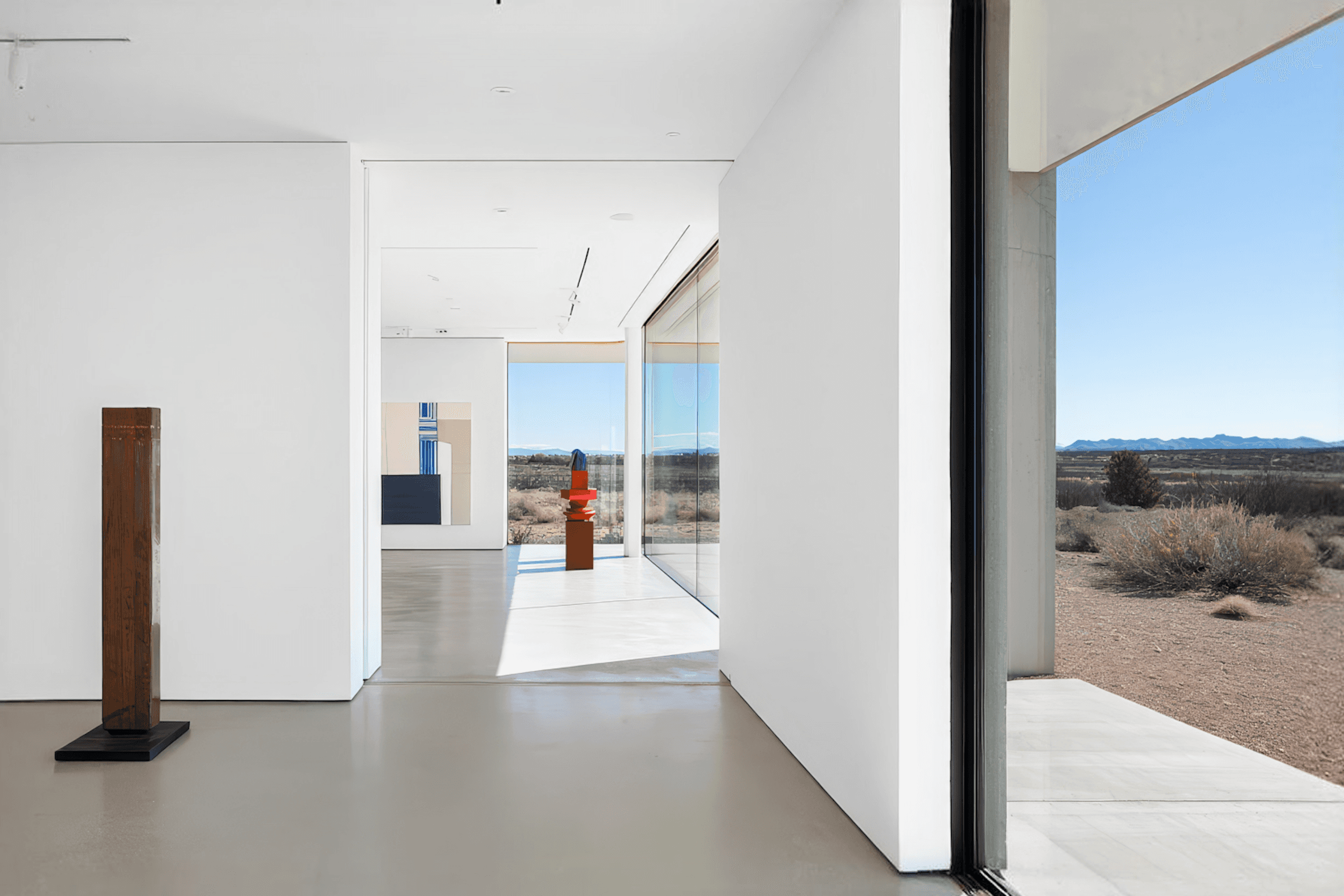
Each home is profiled with key design principles, such as the use of raw materials (like concrete and timber), intentional space planning, and seamless indoor-outdoor flow. We examine how natural light, limited color palettes, and hidden storage solutions work together to create serene living environments.
The post also discusses the philosophy behind minimalist architecture—rooted in “less is more” thinking—and how it intersects with sustainability, mental well-being, and timelessness. High-resolution imagery and floor plans accompany each feature to help readers visualize how minimalism can be adapted to different climates, cultures, and lifestyles.